Detroit Michigan DUI Attorney
Detroit DUI Lawyer Kevin Bessant understands the anxiety and stress that comes along with the legal woes of being arrested or charged with a DUI in Michigan. Individuals who drink and drive are subject to strict laws and the penalties can be very harsh, including time in jail or prison, expensive fines, driver license sanctions, driver responsibility costs, higher insurance rates, very expensive court costs, and extensive alcohol and substance abuse treatment.
If you have been charged with a Misdemeanor or Felony DUI or alcohol related charge in Wayne County, Oakland County, Macomb County, Monroe County, Livingston County, or Washtenaw County, please call our office immediately at 313-658-8159 or you can choose a free online consultation.
Do not handle your DUI or alcohol related offense alone or with an inexperienced attorney without first speaking with us first.
Detroit DUI Lawyer Kevin Bessant Will Challenge Your Case In Court!!!
Lawyer Kevin Bessant takes each drunk driving case seriously to ensure that you are given a fair shake with the law in your defense. As a highly successful lawyer, he refuses to simply “plead you out” and assume that you were automatically intoxicated just because the police and test results allege you were.
Did you know that there are several defenses to a DUI arrest to aide in your case?
Did you know that police officer’s tend to make several errors during a traffic stop, and often fail to administer your breathalyzer rights and chemical tests properly?
Did you know that these errors and improper procedures are important aspects of your defense? Even if the evidence against you is strong, the Law Office of Kevin Bessant & Associates will evaluate every aspect of your case to help you reach the best possible outcome in court. If you have been arrested for DUI, OWI, OWVI or Drunk Driving, learn more about your rights during a DUI arrest and contact our office immediately so we can begin working on your behalf.
A DUI charge deserves to be challenged and contested in court. If you have been arrested or charged with drunk driving in Wayne County, Oakland County, Macomb County, or Monroe County, contact Kevin Bessant immediately for a free case evaluation.
In Michigan, if a driver has a blood alcohol content level measuring .08% or higher then officers can make an arrest and charge the driver with an “OWI” (Operating While Intoxicated). The following are typical drunk driving charges a driver can face in Michigan:
- OWI Causing Death
- OWI Causing Serious Personal Injury
- OWI with Occupant Under Age 16 (Child Endangerment)
- OWI with High Blood Alcohol Content (Super Drunk with BAC .17 or greater)
- OWPD (Operate With Presence of Schedule 1 Controlled Substance or Cocaine)
- OWI (Operating While Intoxicated with BAC .08% or greater)
- OWVI (Operating While Visibly Impaired)
- Zero Tolerance, Under Age 21 with BAC .02% – .07%
If you have been charged with any of the above offenses, contact the Law Office of Kevin Bessant & Associates to discuss your case! Do not face the treacherous road of a DUI charge alone or with inexperienced counsel.
Charged Under Michigan’s Super Drunk Driving Law?
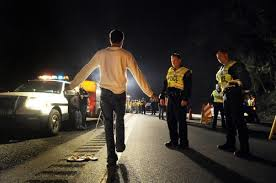
Charged with Super Drunk Driving? Allow Kevin Bessant help you avoid jail and aggressively defend your DUI Charges!
Under Michigan’s new Super Drunk Driving or “High BAC” law, a person who has a blood alcohol content (BAC) of .17% or higher may be charged with a Super Drunk offense. Unlike a standard OWI, a person charged with Super Drunk Driving may face up to 180 days (6 Months) of jail, increased fines and costs, and a mandatory lengthy suspension of driver’s license. Detroit DUI Attorney Kevin Bessant will challenge the police findings and chemical tests of your High BAC offense to seek dismissal of your charges or win your case at trial.
While the best defense against a drunk driving charge is to avoid driving after a period of drinking, we understand that bad things will sometimes happen to good people. In the case of drunk driving defense, avoiding the penalties associated with a Super Drunk Driving conviction is of the utmost importance.
Penalties for Drunk Driving Convictions
The penalties issued by the courts and the State of Michigan for a Detroit DUI Drunk Driving offense can depend on several factors such as whether a person has any prior DUI offenses; whether the drunk driving caused an accident, serious injuries, or death; and even the Judge or jurisdiction in which the DUI occurred.
A DUI can become a felony if you are charged with your third offense or if a death is involved as a result of the drunk driving. Allow the Law Office of Kevin Bessant & Associates to help you avoid and minimize the penalties and risks associated with a DUI conviction by aggressively fighting your charge.
Most arrests for a DUI, whether a misdemeanor or felony, is an automatic license restriction or suspension for a specified amount of time. The most common penalties can include:
- Jail or prison
- Probation and large fines
- Court ordered alcohol programs and drug testing
- Suspension or revocation of a drivers license
- Vehicle ignition locking device
- Vehicle impoundment
- State of Michigan Driver Responsibility Fees
- Increased Court Costs
- Increased Insurance Rates
- Community Service
- Mandatory drug and alcohol counseling
Do not risk your reputation or criminal record. We have successfully defended against several DUI charges and has represented persons from all walks of life and professions. With your future at stake, it is critical to have an experienced defense attorney who can attack the police arrest reports, sobriety test administration procedures, and other evidence produced by the police and prosecution. Attorney’s at the Law Office of Kevin Bessant & Associates are waiting to help you! Call 313-658-8159 Today!
Media Update: Michigan DUI Attorney Kevin Bessant was recently interviewed by Fox 2 News Detroit concerning the Michigan State Police errors in properly calibrating several DUI breath measuring instruments leading to possible errors. BAC readings in close to 2,000 DUI cases across Michigan from the dates of December 2015 through April 2016.
Legal Authority: Statute and Case Law
- Michigan’s OWI statute is codified at MCL 257.625, with the High-BAC (“Super Drunk”) enhancement at MCL 257.625(1)(c).
- People v Hammerlund, 504 Mich 442, 451 (2019) — the Michigan Supreme Court held that a warrantless OWI arrest made without probable cause requires suppression of the resulting breath-test results and statements, the controlling case for challenging a weak initial stop.
- People v Wood, 450 Mich 399, 404-405 (1995) — held that a person “operates” a vehicle once they have put it in motion or in a position posing a risk of collision, and continues to operate it until that risk is gone, even if the car is stopped when police arrive.
For the current statutory text and published opinions, see the Michigan Legislature’s MCL database and the Michigan Courts case search.
About Attorney Kevin Bessant
- Licensed Michigan Attorney with the State Bar of Michigan and over 20 years of criminal defense trial experience.
- Michigan Super Lawyer, recognized annually from 2015 through 2025.
- Detroit Business Magazine (DBusiness) Top Lawyer, 2017.
- Listed among Expertise.com’s Best Criminal Defense Lawyers in Detroit.
- Offices in Detroit, Eastpointe, and Southfield, Michigan, serving Wayne, Oakland, Macomb, Monroe, Livingston, and Washtenaw counties.
- Free case evaluation: 313-658-8159
Frequently Asked Questions
What BAC level counts as a DUI or OWI in Michigan?
A blood alcohol content of .08% or higher allows police to arrest and charge a driver with Operating While Intoxicated (OWI) in Michigan.
What is Michigan’s Super Drunk law?
Michigan’s Super Drunk Driving law applies to a BAC of .17% or higher and carries harsher penalties than a standard OWI, including up to 180 days in jail and a longer license suspension.
Can a DUI become a felony in Michigan?
Yes. A DUI becomes a felony if it is a third offense or if the drunk driving caused a death.
What are common defenses to a DUI charge?
Defenses often involve challenging errors in the traffic stop, improper administration of field sobriety or breathalyzer tests, and mishandled chemical test procedures.